
Introduction
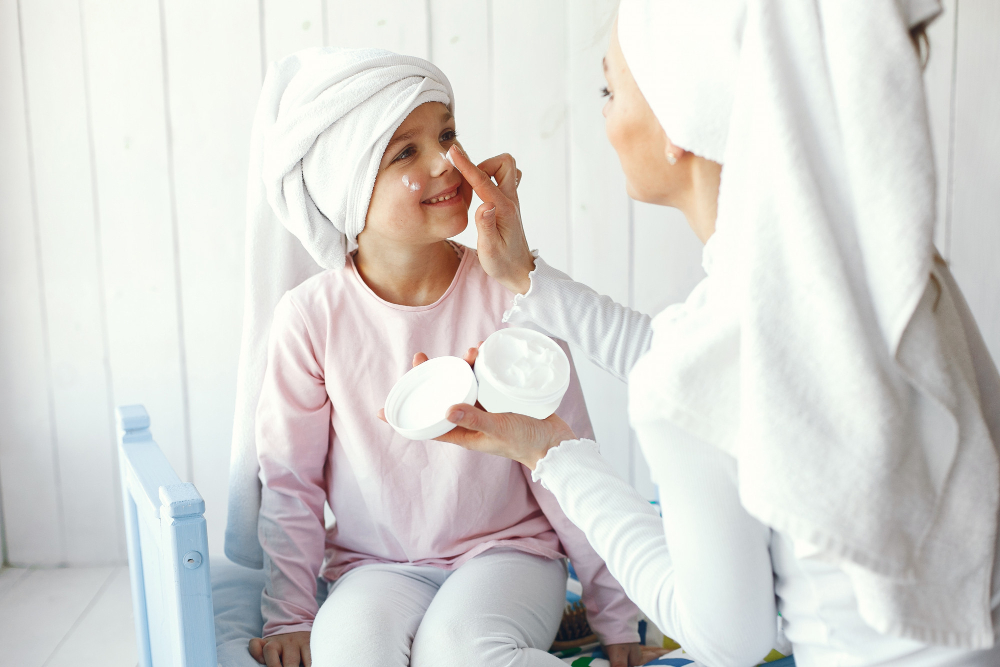
Healthy skin in children is important for comfort and protection. Skin acts as a shield against germs and injury. For this reason, caring for your child’s skin helps prevent common problems. Many parents want to know the best children’s skincare tips. In this blog, you will learn how to care for children’s skin every day. You will also find advice on preventing skin problems in kids.
Common Skin Problems in Children
Children can have many skin issues. Some are mild, while others need medical care. For example, common skin problems in children include:
Although most skin problems are not serious, some may cause discomfort or infection. If a rash spreads quickly or your child has a fever, you should contact your doctor.
Causes of Skin Issues in Children
Many things can cause skin issues in children. For instance, dry air or harsh soaps may lead to dryness. Sometimes, allergies or irritants cause rashes. In addition, hot weather can result in heat rash. Children may also get skin problems from scratching or playing outdoors. Because children’s skin is sensitive, it can react more easily than adult skin.
Daily Skincare Tips for Children
Simple daily habits help keep your child’s skin healthy. Here are some easy children’s skincare tips:
Because routines matter, try to make these steps part of your child’s daily care.
Recommended Skincare Products for Kids
Choosing the right products helps protect children’s skin. Look for items labeled for sensitive skin or babies. For example, you can use:
However, avoid products with strong scents, dyes, or harsh chemicals. If you live in a dry or cold area, you may need thicker creams. Always check labels and test new products on a small skin area first.
Lifestyle and Dietary Guidance for Healthy Skin
Healthy habits support good skin. For instance, children should drink enough water each day. A balanced diet with fruits, vegetables, and whole grains helps skin heal and stay strong. In addition, regular handwashing keeps germs away. Encourage children to play outside, but always protect their skin from sunburn. Because sleep helps skin repair, make sure your child gets enough rest.
Prevention of Skin Problems in Children
Preventing skin problems in kids is possible with simple steps. For example:
Because prevention is easier than treatment, these habits can help avoid many common issues.
When to Seek Medical Advice
Sometimes, home care is not enough. If your child’s skin problem does not improve, it is time to call your doctor. Seek help if you notice:
For trusted guidance and comprehensive care, Consult Dr Parimal Kumar konduru