What Is Diaper Rash in Babies?
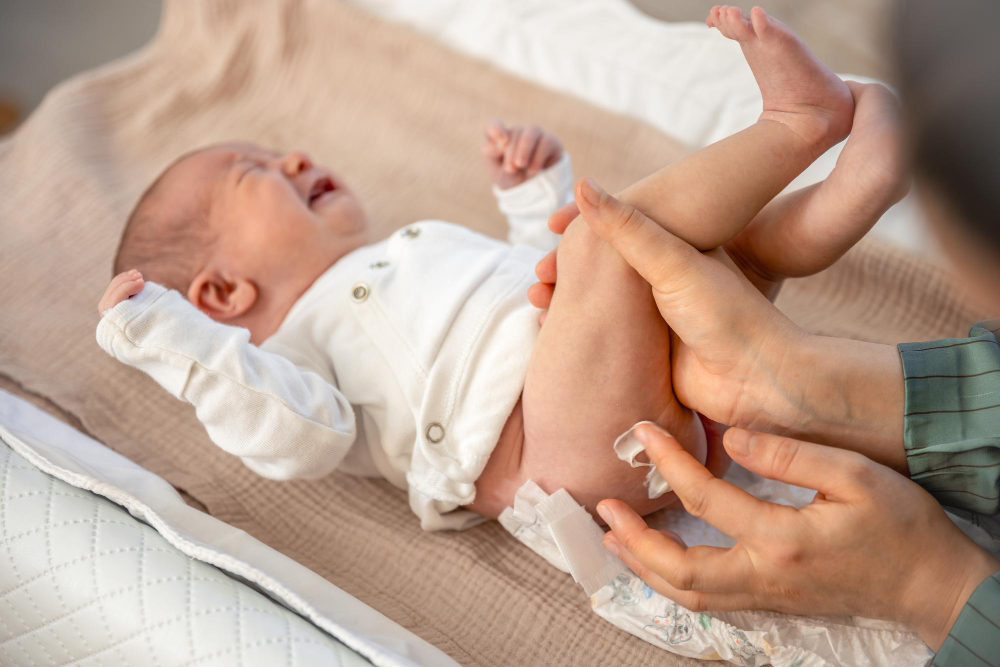
Diaper rash in babies is a common skin problem. It appears as red, sore patches on a baby’s bottom or genital area. Often, this rash happens when a baby’s skin stays wet or dirty for too long. Because a baby’s skin is sensitive, it can get irritated easily. Many parents worry when they see diaper rash, but it is usually mild. Still, knowing about baby skin care helps prevent and treat this rash quickly. According to the CDC, diaper rash is not usually serious, but it can cause discomfort if not managed well.
Common Causes of Diaper Rash
Many things can lead to diaper rash in babies. Understanding these causes helps with preventing diaper rash and keeping your baby comfortable. For example, wetness and friction are two main triggers. However, other factors can also play a role.
Because babies have thinner skin, they are more likely to get rashes. If your baby has sensitive skin, they may be at even higher risk.
Recognizing Symptoms of Diaper Rash
It is important to spot diaper rash early. This way, you can start treatment and prevent it from getting worse. Most often, the rash appears on areas covered by the diaper. However, it can also spread to the thighs or lower belly.
Sometimes, the rash may look shiny or have blisters. If you notice pus, open sores, or fever, it could mean an infection. In this case, medical care is important.
How to Prevent Diaper Rash
Prevention is key to keeping your baby’s skin healthy. With a few simple steps, you can lower the risk of diaper rash in babies. For instance, changing diapers often helps keep skin dry. In addition, gentle baby skin care routines are very helpful.
Because some babies have sensitive skin, you may need to try different products to see what works best. The American Academy of Pediatrics recommends avoiding powders, as they can irritate the lungs.
Effective Treatments for Diaper Rash
If your baby develops a rash, there are many ways to treat diaper rash at home. Most mild cases improve with simple care. However, sometimes you may need special creams or medical advice.
For more severe rashes, your doctor may suggest antifungal or antibiotic creams. According to the CDC, do not use over-the-counter steroid creams unless a doctor recommends them. If you are unsure about the best diaper rash treatments, always ask your healthcare provider.
When to See a Doctor
Most diaper rashes clear up with home care. However, sometimes you need to see a doctor. For example, if the rash does not improve after a few days, it could be a sign of infection. In addition, certain symptoms mean you should get medical help right away.
Because your baby’s health is important, always trust your instincts. If you are worried, contact your pediatrician for advice. The CDC and WHO both stress the importance of early care for skin infections in babies.