
Introduction
Many parents worry about seasonal fevers in children, especially during weather changes. These fevers often happen when the seasons shift, such as from summer to monsoon or winter. Usually, seasonal fevers are caused by common viruses or bacteria. While most cases are mild, knowing how to prevent and care for childhood fevers is important. This guide will help you understand the basics and offer simple tips for managing fever in kids.
Common Symptoms
Seasonal fevers in children can show up in different ways. However, some symptoms are more common than others. Recognizing these signs early can help you act quickly.
Sometimes, children may also feel irritable or sleepy. But, if you notice trouble breathing, a rash, or seizures, seek medical help right away.
Causes and Risk Factors
Seasonal fevers in children are often caused by viral infections like the flu or common cold. Sometimes, bacteria can also be the reason. Changes in weather can weaken a child’s immune system, making them more likely to get sick. In addition, crowded places like schools or daycare centers can spread germs quickly.
For example, children with allergies or asthma may get fevers more often during certain seasons. Also, young children are at higher risk because their immune systems are still developing.
Diagnosis
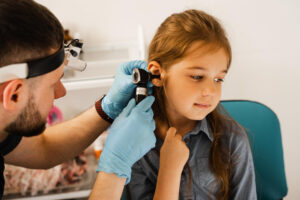
Usually, doctors diagnose seasonal fevers in children by checking symptoms and taking a medical history. Sometimes, they may use a thermometer to measure body temperature. In some cases, blood tests or throat swabs help rule out other illnesses. However, most seasonal fevers do not need special tests. If your child’s fever lasts more than three days, a doctor may suggest further tests to find the cause.
Prevention Strategies
Preventing childhood fevers is possible with a few simple steps. Not only do these habits protect your child, but they also help keep others safe.
Additionally, in areas with high pollution, try to keep windows closed during peak hours. For parents in cities, using air purifiers may also help reduce indoor germs.
Home Care Tips
When your child has a mild fever, home care can make them feel better. However, always watch for signs that need a doctor’s attention.
Moreover, avoid giving aspirin to children, as it can cause serious side effects. If your child refuses food but drinks fluids, that is usually okay for a short time.
When to See a Doctor
Sometimes, seasonal fevers in children need medical care. You should call your doctor if:
Early medical help can prevent complications. Always trust your instincts as a parent.
Conclusion
In summary, seasonal fevers in children are common, but most cases are mild and easy to manage at home. By following simple prevention steps and home care tips, you can help your child recover faster. However, if you notice any warning signs or if the fever lasts too long, consult Dr Parimal Kumar konduru for personalized guidance on managing seasonal fevers in your child.