What is GERD in Children?
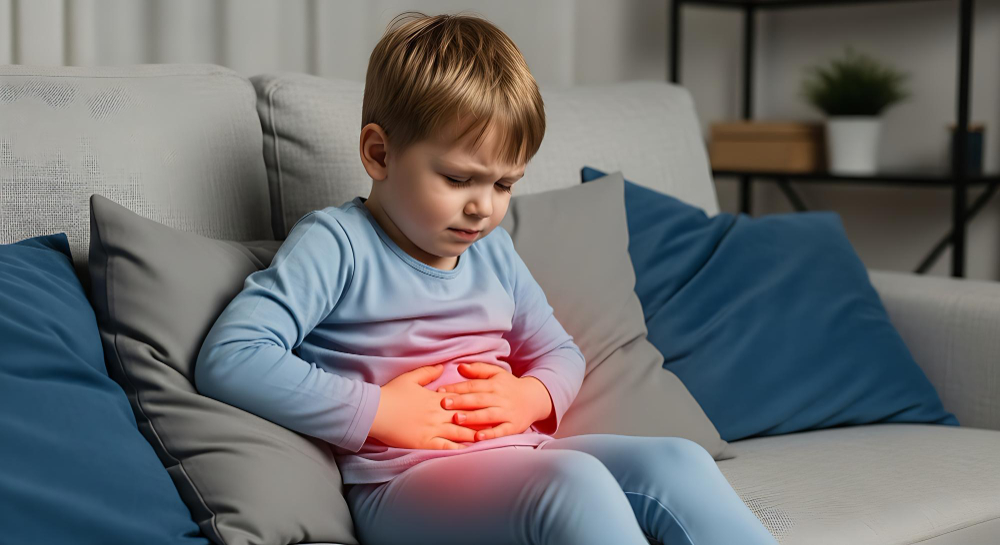
GERD in children, also called pediatric GERD, stands for gastroesophageal reflux disease. This condition happens when acid from the stomach flows back into the food pipe. As a result, children may feel discomfort or pain. While mild acid reflux in kids is common, GERD is more serious and lasts longer. Early recognition helps prevent problems later. According to the CDC, GERD affects many children, but it can be managed with the right care.
Common Symptoms of GERD in Children
Children’s reflux symptoms can be different from adults. However, some signs are easy to spot. For example, you may notice:
Sometimes, symptoms are mild. But if they last or get worse, it is important to act quickly.
Causes and Risk Factors
Many things can cause GERD in children. For instance, weak muscles at the end of the food pipe may let acid flow back. Some children are born with this problem. In addition, certain foods or drinks can trigger symptoms. Other risk factors include:
Because each child is different, causes may vary. But knowing these risks helps parents stay alert.
How GERD is Diagnosed in Children
Doctors use several steps to diagnose pediatric GERD. First, they ask about your child’s symptoms and health history. Next, they may do a physical exam. Sometimes, more tests are needed. These can include:
Not every child needs all these tests. Often, doctors start with simple steps and add tests only if needed.
Treatment Options for GERD in Children
Treating GERD in children depends on the severity. For mild cases, lifestyle changes may be enough. However, some children need medicine. Treatment options include:
Always follow your doctor’s advice before starting any treatment. The CDC and pediatric experts recommend medical guidance for children’s reflux symptoms.
Tips for Prevention and Daily Management
Managing GERD in children at home can help reduce symptoms. For example, you can:
Because every child is unique, some tips may work better than others. But with patience, you can find the best routine for your child.
When to See a Pediatrician
Although mild reflux is common, some signs mean you should see a doctor. For instance, contact your pediatrician if your child:
Early care can prevent serious problems. Therefore, do not wait if you notice these symptoms.
In summary, GERD in children can be managed with the right steps. Consult a pediatrician Dr Parimal Kumar Konduru for personalized advice on GERD in children.